







2025 Hospital Pharmacy Purchasing Trends Report
The 2025 Hospital Pharmacy Purchasing Trends Report examines the growing cost pressures, supply chain complexity, and drug shortage challenges facing hospital pharmacy teams, highlighting how health systems are adapting their procurement strategies to drive savings and improve efficiency.
Hospitals Sourcing Medications From Multiple Suppliers
50% of hospital pharmacy purchasing teams report sourcing medications from between 4 and 6 different suppliers, increasing complexity in pricing, compliance, and procurement workflows.
Hospitals Managing Fragmented Supplier Networks
31% of hospital pharmacy purchasing teams report sourcing medications from as many as 12 different suppliers, making cost control and compliance more difficult.
Hospitals Experiencing Pharmacy Technician Staffing Shortages
88% of hospitals report pharmacy technician shortages, limiting teams’ ability to manually analyze purchasing options and execute cost-saving strategies.
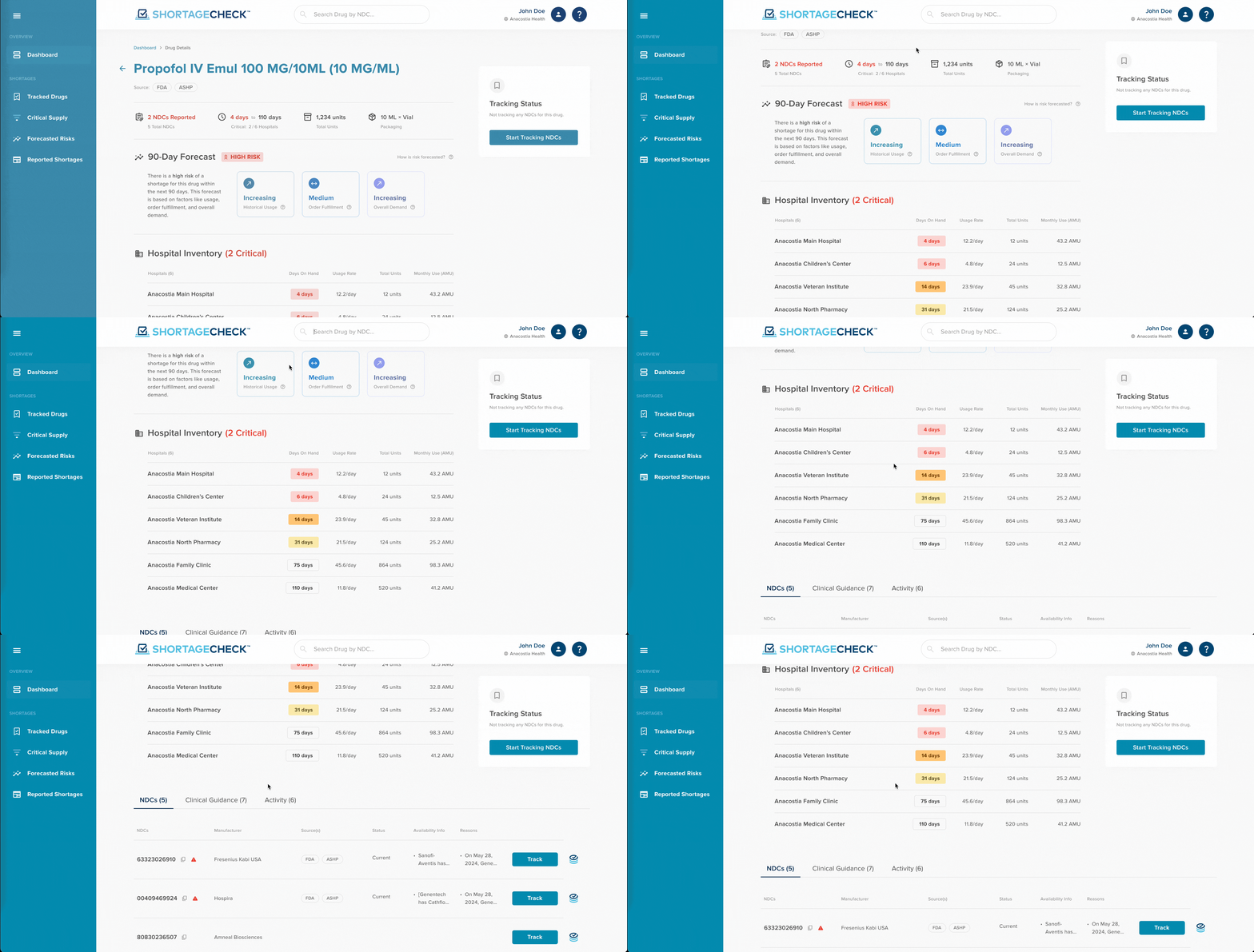
43% of hospital pharmacy leaders report medication errors tied to shortages
Drug shortages are not only disrupting procurement workflows but also introducing clinical risk. As substitutions and workarounds increase, pharmacy teams face greater pressure to balance patient safety with budget constraints.
25% more drug shortages are monitored at pediatric facilities than general facilities
Pediatric hospitals experience a disproportionately high burden when drug shortages occur. Limited therapeutic alternatives and weight-based dosing requirements add complexity to already strained purchasing and inventory workflows.
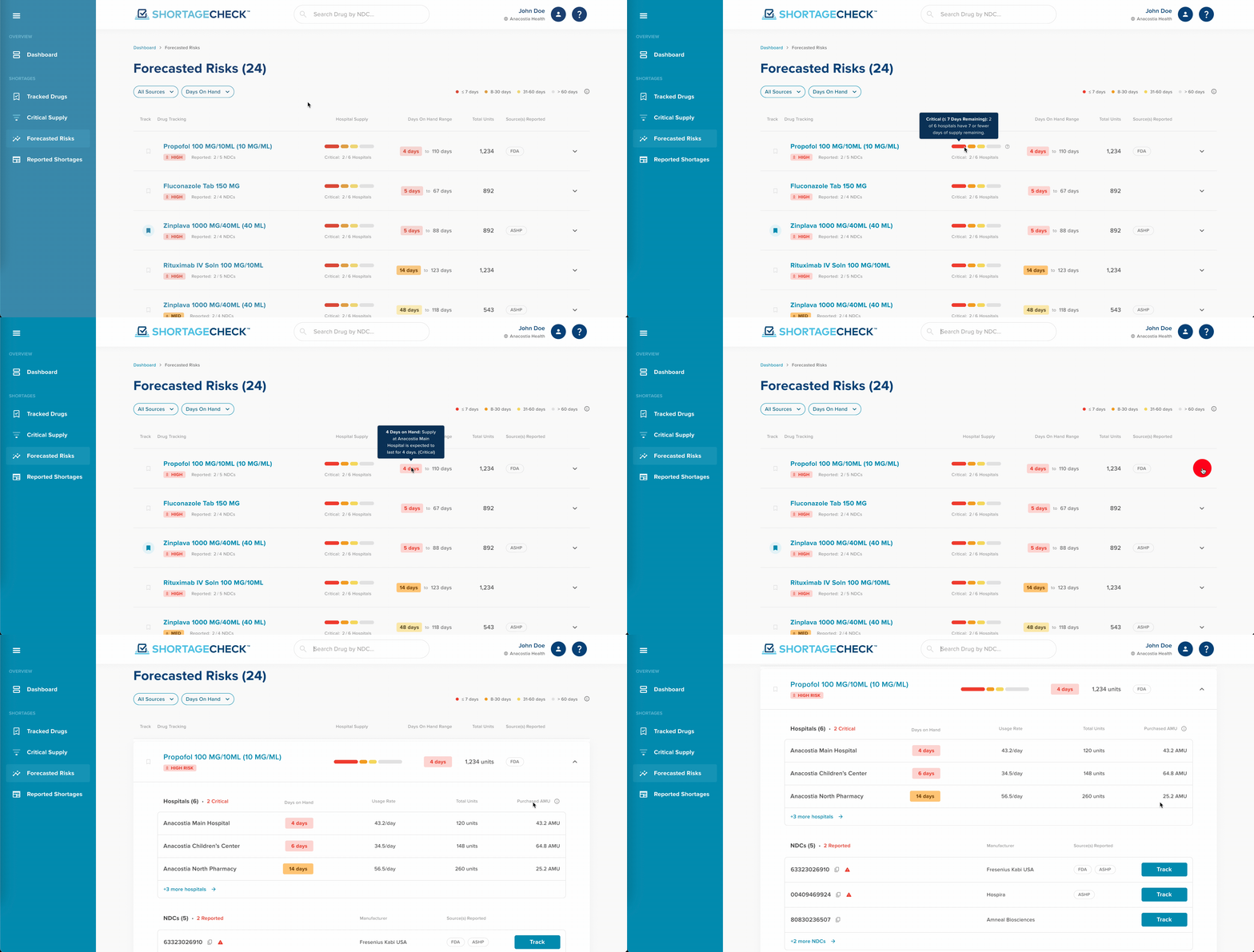

4% increase in hospital prescription drug spending is expected for 2025
Hospital pharmacy departments are navigating a volatile purchasing environment as prescription drug costs rise faster than many other hospital expense categories. This cost pressure is forcing pharmacy leaders to focus more heavily on savings, efficiency, and strategic sourcing despite growing operational complexity.