







The 2026 Diversion Trends Report
The 2026 Diversion Trends Report outlines how monitoring staff is tightening across healthcare facilities and why 94% of surveillance teams now rely on software to maintain full controlled substance visibility.
Download the report to see how technology and AI are empowering lean teams to close cases faster, support cross-functional oversight, and build a proactive culture of compliance.
Hospitals With Full-Time Diversion Monitoring Staff
66% of hospitals report having full-time staff dedicated to diversion monitoring, most commonly one or two individuals.
Transactions With Documentation Variances
6% of all controlled substance transactions contained documentation variances that required further review.
Hospitals With a Diversion Oversight Committee
83% of diversion-focused staff say their organization has a cross-functional diversion committee in place.
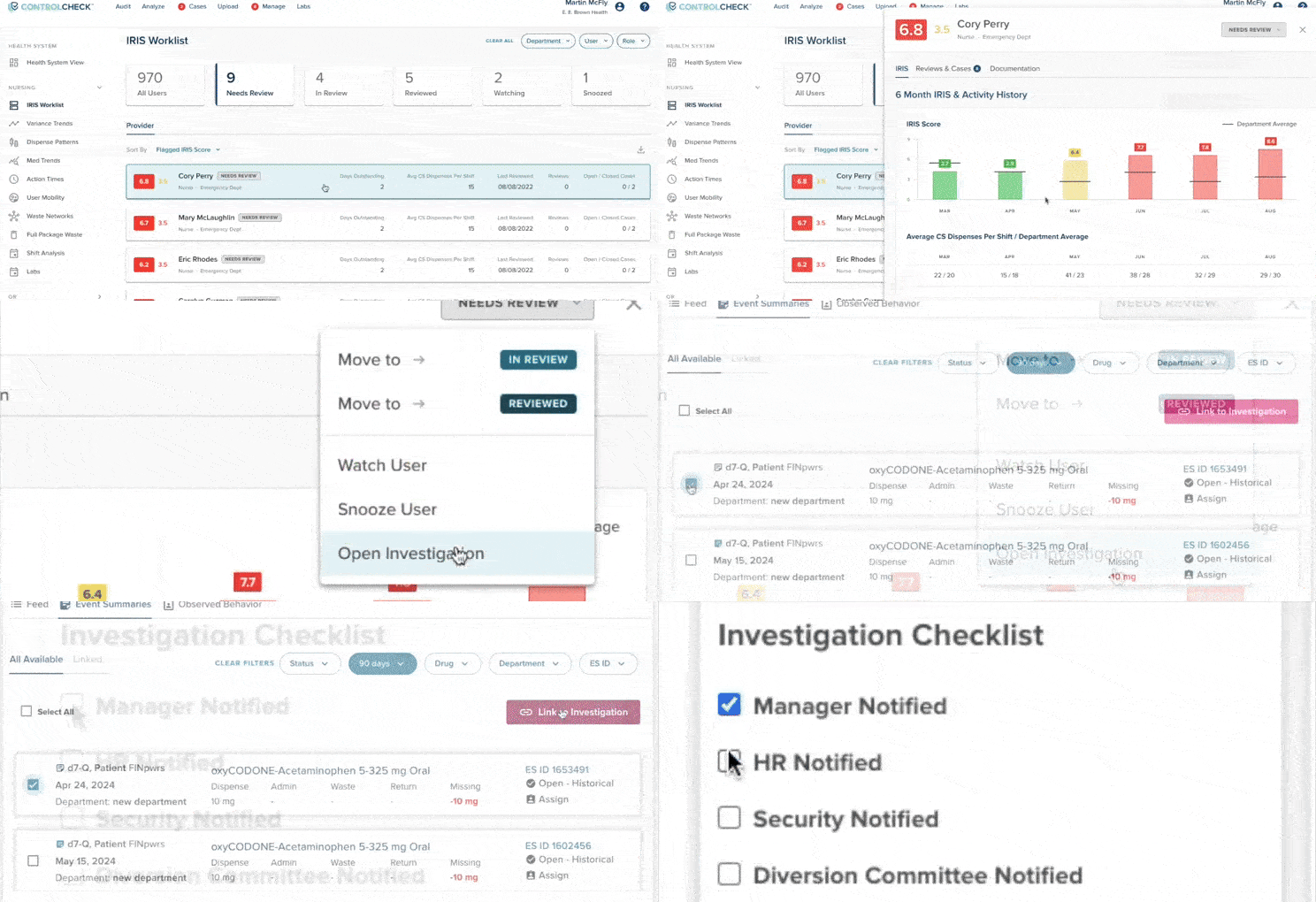
83% of diversion investigations are triggered by software alerts
With 94% of surveillance teams using software to detect documentation discrepancies, facilities rely on automated alerts to surface risks that would otherwise go unnoticed as staffing resource levels drop. Data-flagged cases are 3x more likely to result in confirmed diversion than routine reviews.
Documentation compliance drives variance rates down to an all-time low.
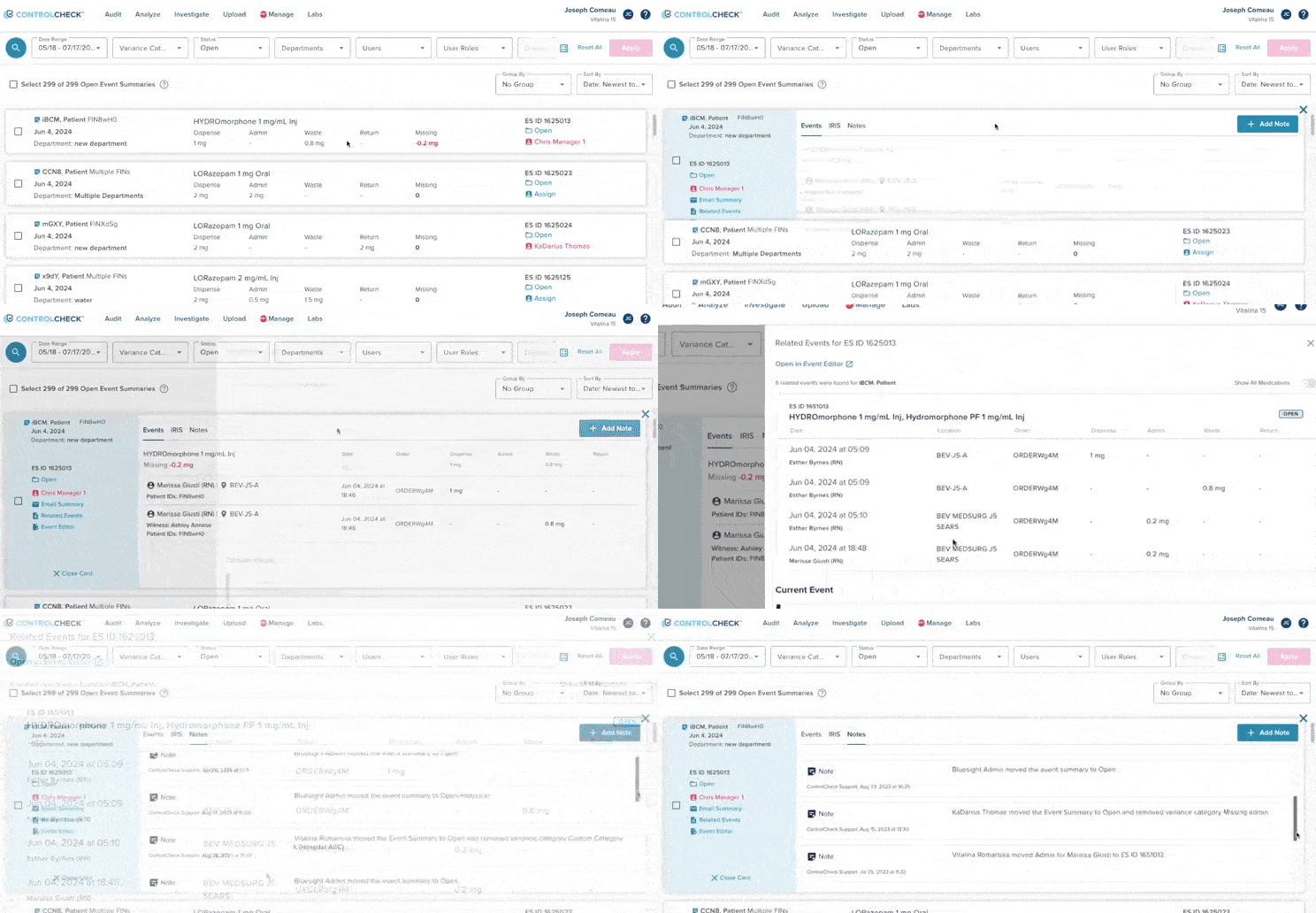
Each variance represents a documentation discrepancy between what was dispensed, administered, wasted, or returned, creating operational friction and potentially hiding true diversion risks. Thanks to improved closed-loop auditing and machine learning algorithms, overall transaction variance rates have dropped by half from 12% to 6%. Today, 69% of hospital diversion teams resolve discrepancies in fewer than 10 hours per week, allowing compliance leaders to focus on high-risk documentation trends.
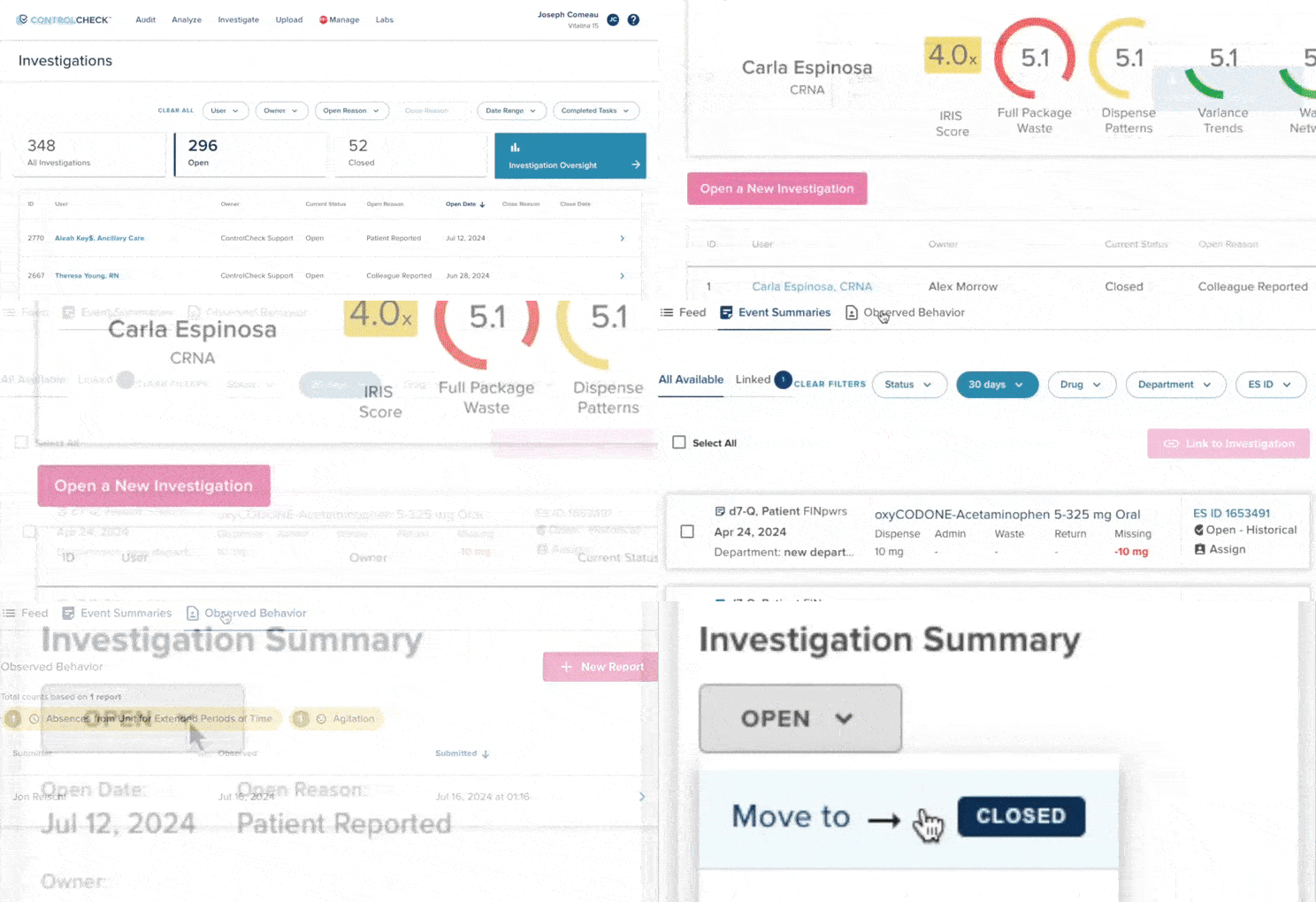
Investigation volume levels off as programs reach maturity.
Quarterly investigations per hospital have held steady in the mid-40s (averaging 45.5 cases in Q4 2025) after climbing through 2023–2024. This plateau reflects program maturity with facilities establishing a consistent investigative rhythm, resolving cases faster, and driving overall compliance across care settings.
Access Past Diversion Trend Reports
Browse previous reports to see historical trends and shifts.