The 2026 HPOR
The 12th annual Hospital Pharmacy Operations Report (HPOR) provides insight into the operational complexities hospitals face, offering a snapshot of the current challenges, priorities, and trends shaping hospital pharmacies nationwide.
Hospitals That Cite
Drug Shortages as
a Top Issue
78% of hospital pharmacy leaders ranked drug shortages as one of their top three issues for the seventh year in a row.
Hospitals That Experienced a Drug Diversion Event in the Last Year
63% of hospitals reported a diversion event in the past year, and nearly half of those incidents were first detected by diversion monitoring software.
Hospitals That Manage Multiple Vendor Relationships for Purchasing
80% of hospitals now use four or more vendors to ensure supply continuity and support cost savings goals.
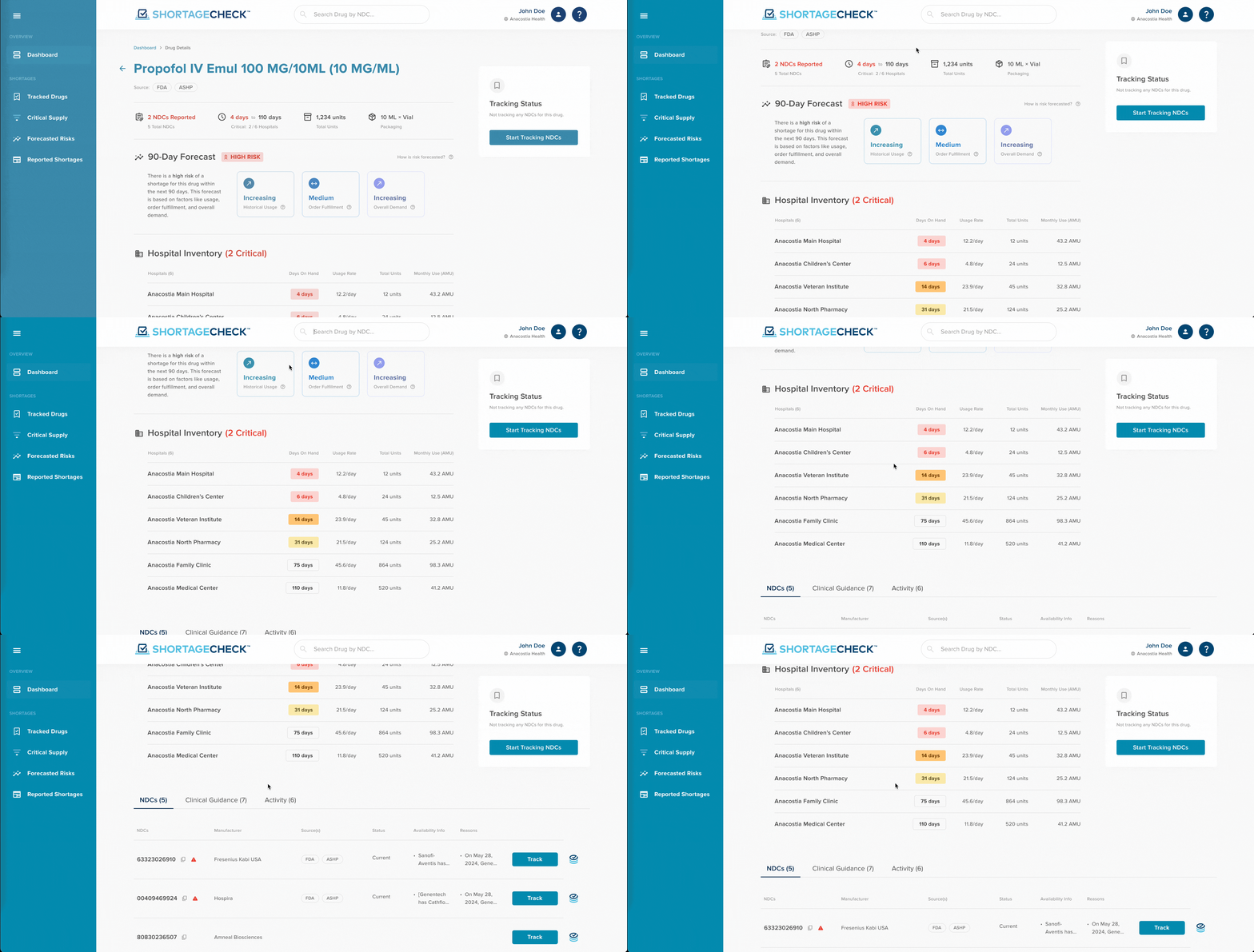
70% of hospital pharmacies say streamlining purchasing to fight shortages is a top priority
Shortages have become an unavoidable reality, with nearly every hospital pharmacy making them a top operational concern. Leaders know they need smarter tools and streamlined workflows to respond faster and keep patients safe.
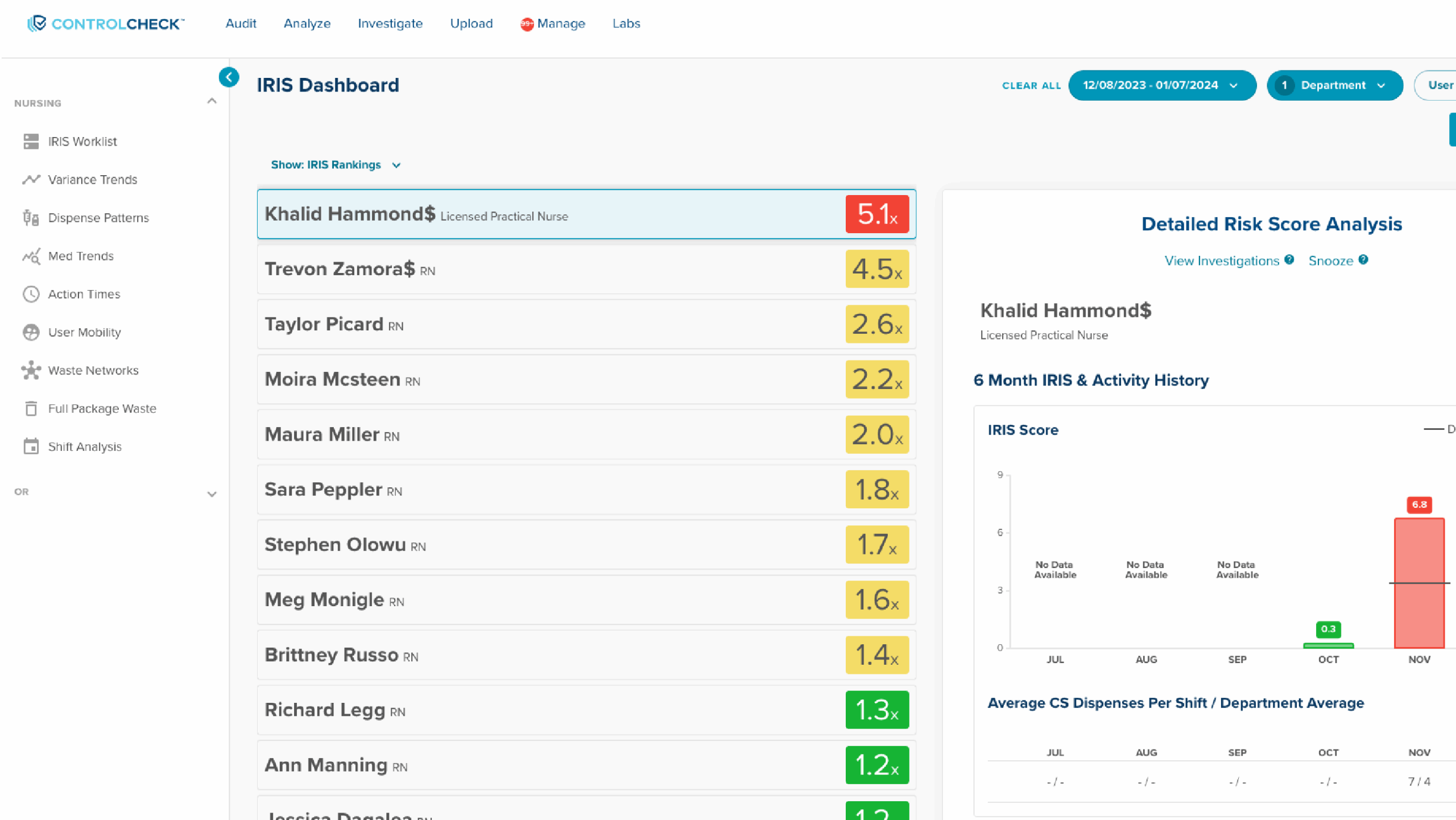
49% of diversion events were first detected by monitoring software
Drug diversion is one of the most pressing compliance and patient safety risks for hospital pharmacies. The 2026 HPOR shows that technology is now the frontline defense, with software catching more diversion than any other method.
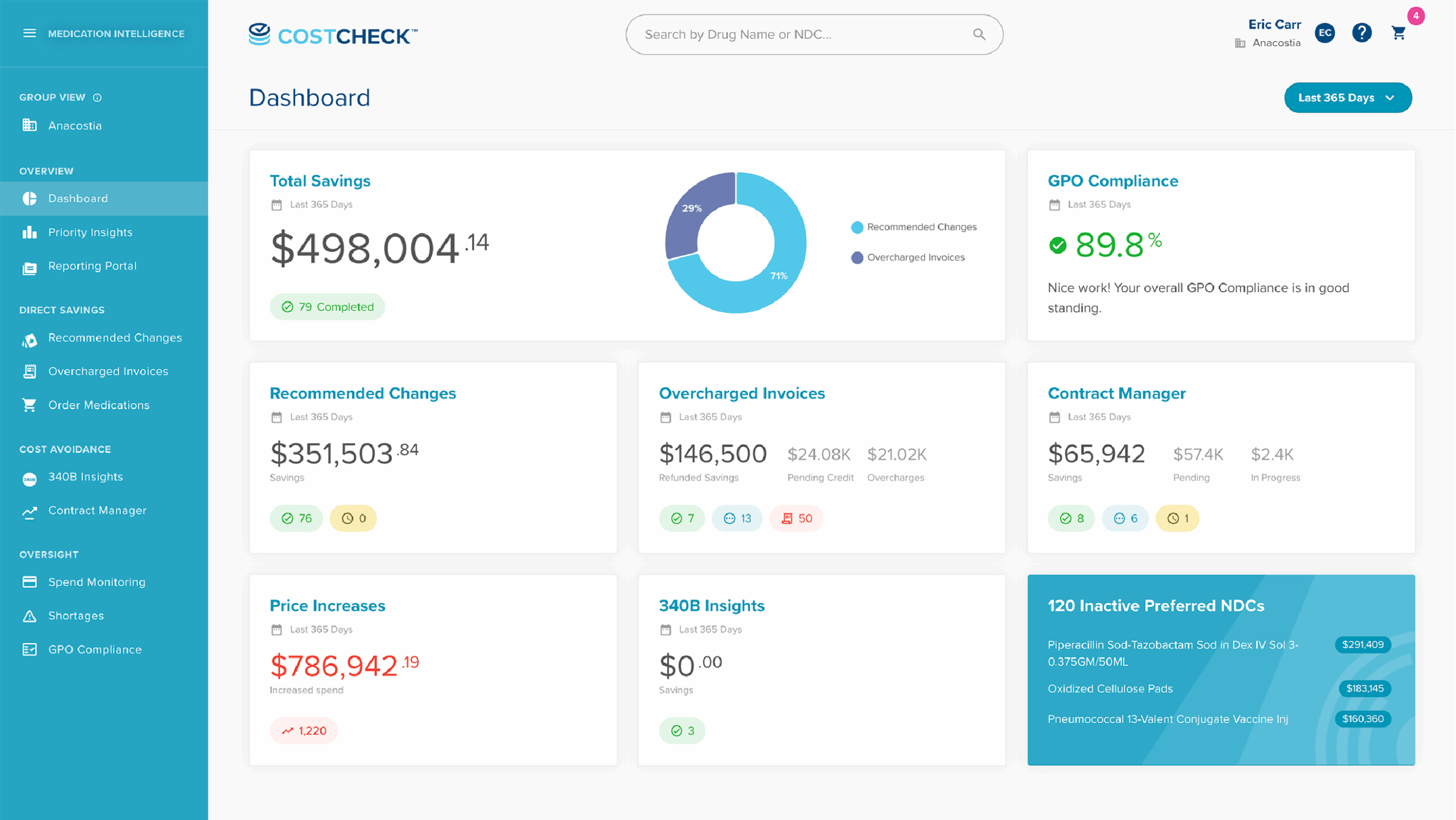
72% of hospital pharmacies are tasked with reducing drug spend in 2026
Drug costs remain a top concern, with pharmacy leaders under pressure to hit savings goals while navigating an unreliable supply chain. The 2026 HPOR shows hospitals leaning heavily on purchasing analytics to cut costs without compromising patient care.
49% of respondents use AI tools in their workflows
AI tool adoption is prevalent within hospital pharmacy teams, but its full potential remains largely untapped. The 2026 HPOR shows that while pharmacy teams are embracing AI for reporting and diversion detection, gaps exist between where they believe AI can help and where it’s actually being used today.